

 0
0  1
1  2
2 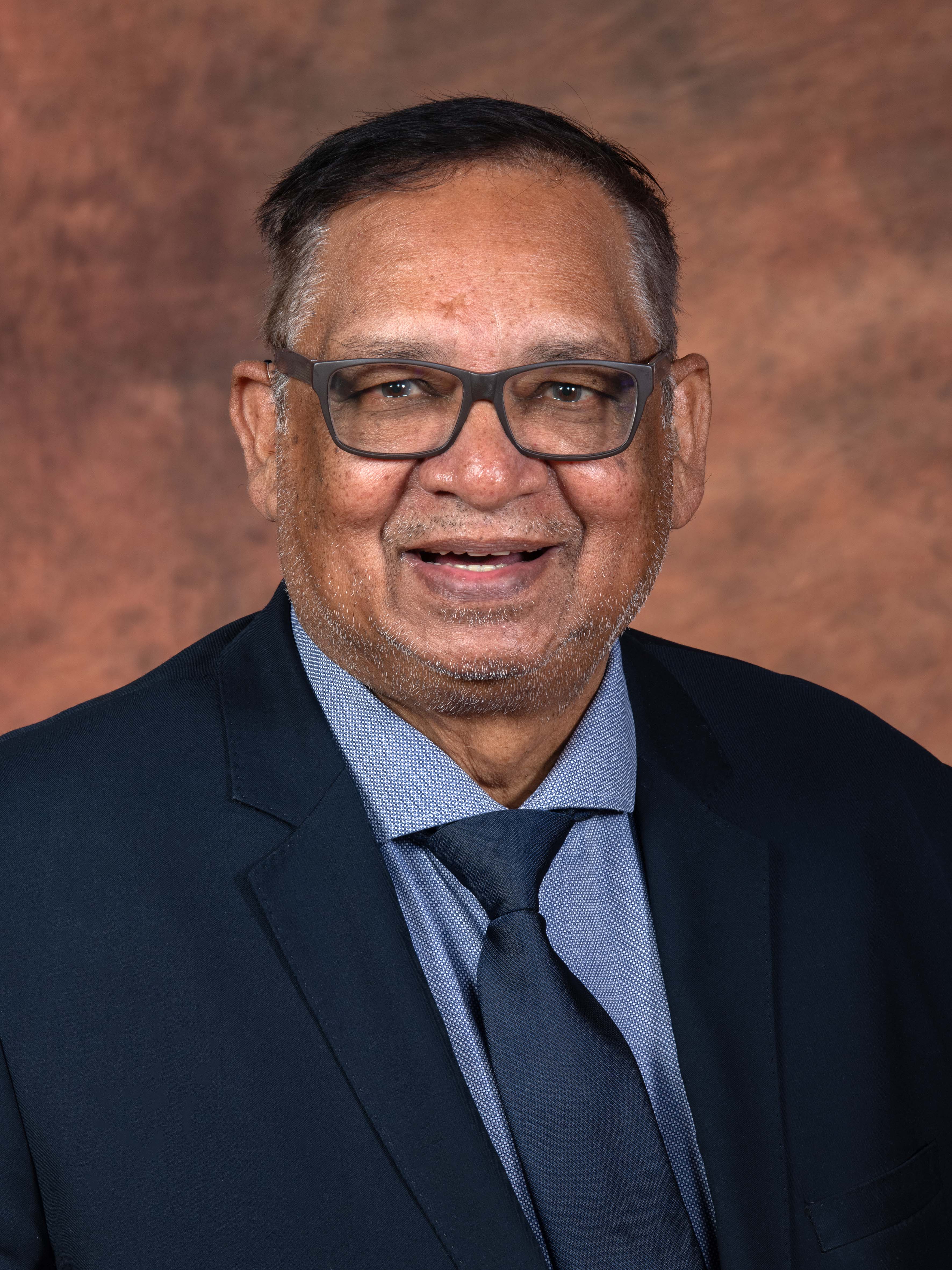
By DSD Reporter.
- Minister Tolashe reiterated South Africa’s dedication to eradicating child poverty, characterising it as a complex issue that adversely affects children’s well-being and contributes to ongoing intergenerational inequality.
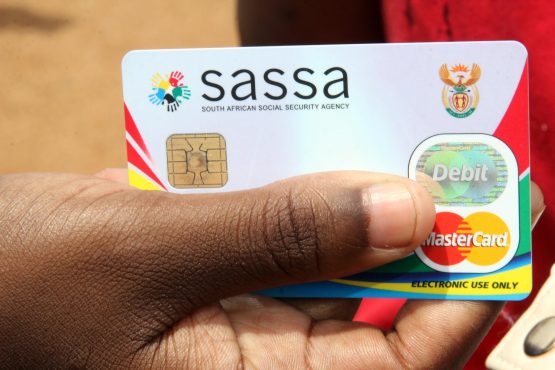
- The Minister highlighted the central role of social protection, particularly the Child Support Grant, which currently supports more than thirteen million children and remains one of the country’s most significant investments in human development.
- She called for global solidarity and renewed partnerships, urging the G20, UNICEF, civil society and governments to move beyond ceremony and take collective action to end child poverty within this generation.
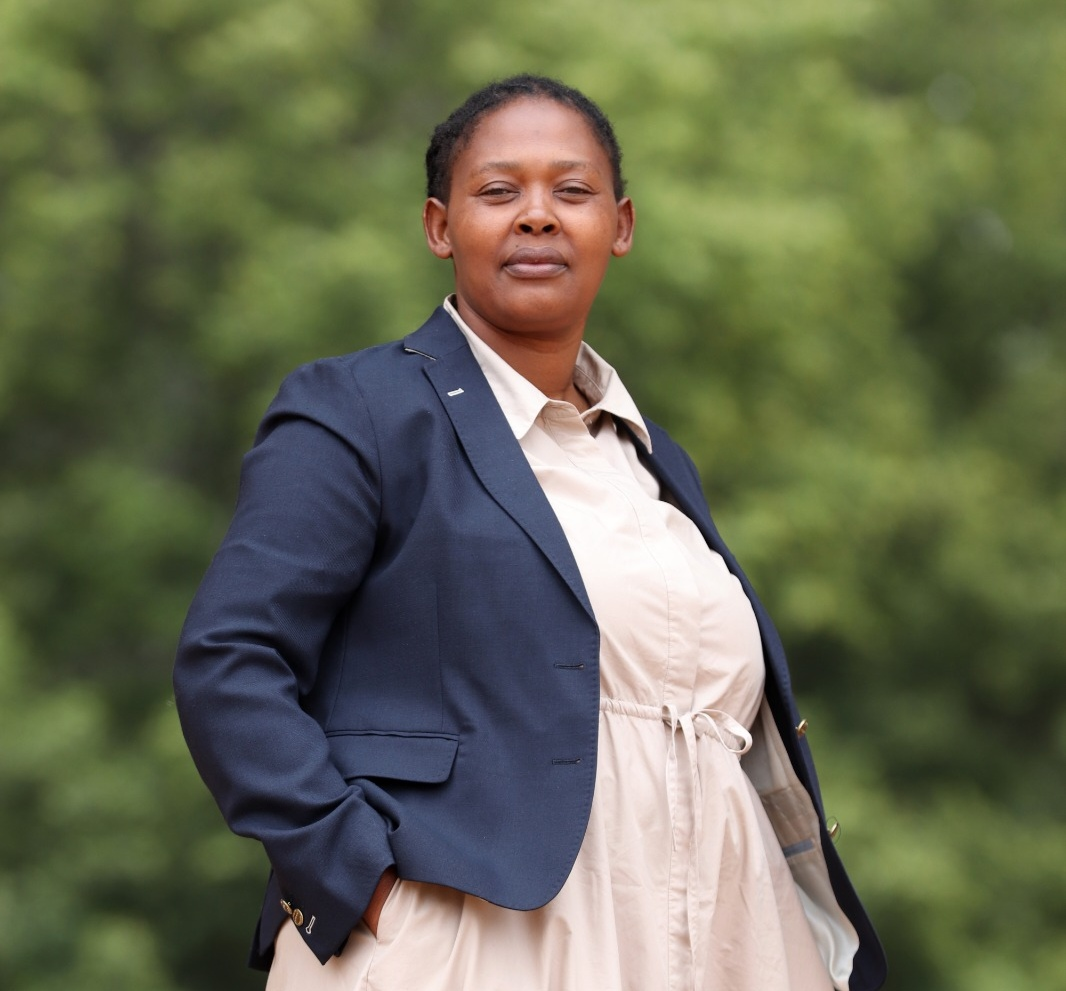
South Africa’s Minister of Social Development, Honourable Ms Nokuzola Tolashe, has called for renewed global action to end child poverty, describing it as “a multidimensional and deeply human crisis” that demands urgent, coordinated solutions. She delivered these remarks in Johannesburg at the launch of the UNICEF State of the World’s Children 2025 Report, hosted on the sidelines of the G20 Social Summit and coinciding with World Children’s Day.
In her address, Minister Tolashe expressed South Africa’s appreciation for UNICEF’s longstanding partnership, noting that the 2025 report arrives at a critical moment. “This year’s theme, Championing Solutions to End Child Poverty, is both timely and urgent,” she said. “Child poverty does not only reflect an economic condition. It affects nutrition, health, safety, learning, dignity, and the very future of a child.”
She emphasised that child poverty has lasting consequences that extend into adulthood, reinforcing cycles of deprivation across generations. “If we are to break intergenerational poverty, we must begin with our children,” the Minister noted.
South Africa’s social protection system, one of the most comprehensive in Africa, remains a cornerstone of the country’s response. The Child Support Grant currently reaches more than thirteen million children. However, Minister Tolashe acknowledged that persistent gaps remain. “The scale and complexity of child poverty require deeper, innovative solutions,” she said, adding that the report challenges all sectors to confront brutal truths about hunger, malnutrition, exposure to violence, and limited access to essential services.
The Minister outlined South Africa’s ongoing efforts to strengthen child-centred policies and programmes, including early childhood development services, improved social protection measures, stronger linkages between nutrition, education, and health, and enhanced family and community-based support. She further reiterated the importance of children’s participation in shaping national policies through platforms such as the Children’s Parliament.
She also issued a strong warning on the implications of teenage and early pregnancies. “We must be clear,” she said. “Teenage and unwanted early pregnancies will perpetuate child poverty.”
Reflecting on commitments made at the recent World Summit for Social Development in Qatar, Minister Tolashe emphasised the need for global cooperation. She reaffirmed South Africa’s confidence in UNICEF’s role in generating evidence, amplifying children’s realities, and supporting governments to design transformative solutions.
“Let today’s launch not be a ceremonial moment, but a catalytic one,” she urged. “Let it inspire renewed partnership, smarter investments, and collective action. Our children deserve nothing less.”
She concluded by calling on the G20, governments, civil society, development partners and young people to work together to end child poverty within this generation. “The strength of a nation is measured not by the wealth of its richest citizens, but by the well-being of its children.”